
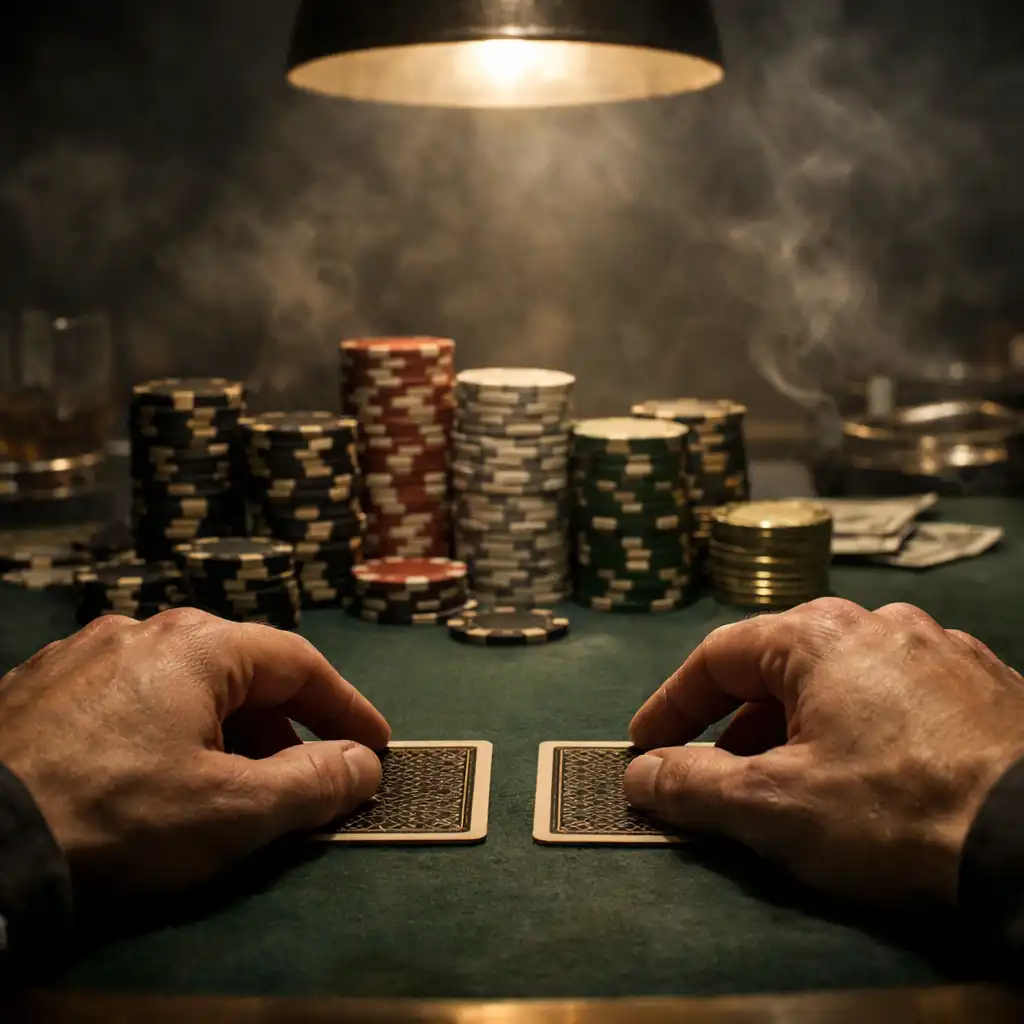
The Poker Face
A high-stakes poker game where a single facial expression reveals everything. The scene is built on reaction shots, and the protagonist's calm masks a bluff.
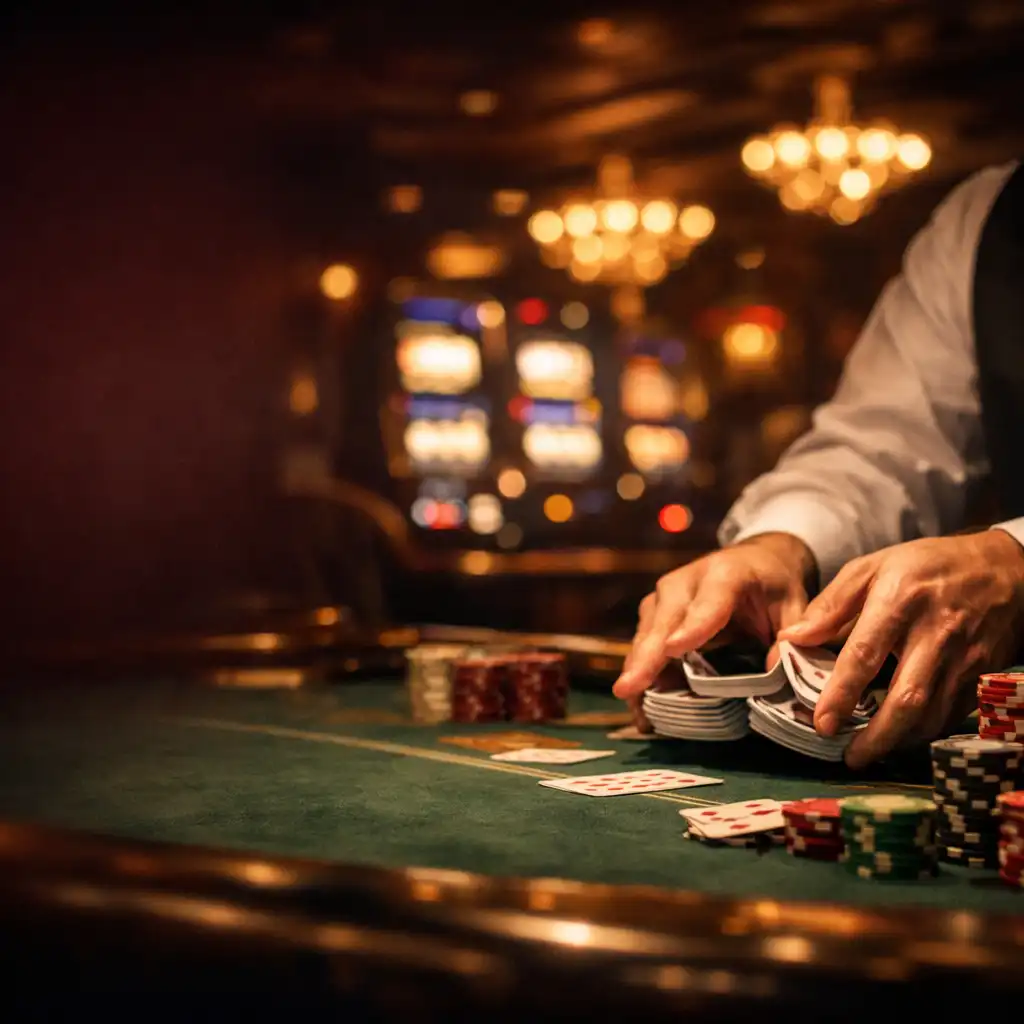
Iconic Casino Scenes
Explore the scenes that made audiences hold their breath—and the craft behind them.
Casino scenes tap into universal fears and desires: the thrill of risk, the agony of loss, and the fantasy of instant wealth. Filmmakers use close-ups, slow motion, and sound design to amplify these emotions. Close-ups on cards and chips create intimacy with the stakes, while slow motion stretches the moment of revelation. The clink of chips and the spin of the wheel build tension that no dialogue can match.
The casino itself often functions as a character—opulent, seductive, and dangerous. Its architecture and lighting reflect the protagonist's inner state. Casinos are designed to disorient and entice, with lighting that shifts from warm glamour to cold harshness as tension rises. The setting mirrors the character's moral descent, turning every corridor and table into a stage for consequence.
History
From early noir to modern blockbusters, casino scenes have evolved with film technology and cultural attitudes toward gambling. Classic noirs used shadow and smoke to suggest moral ambiguity, while the 1970s brought gritty realism to gambling stories. Contemporary films blend practical effects with digital polish, creating sequences that feel both immediate and larger than life.
Featured Scene
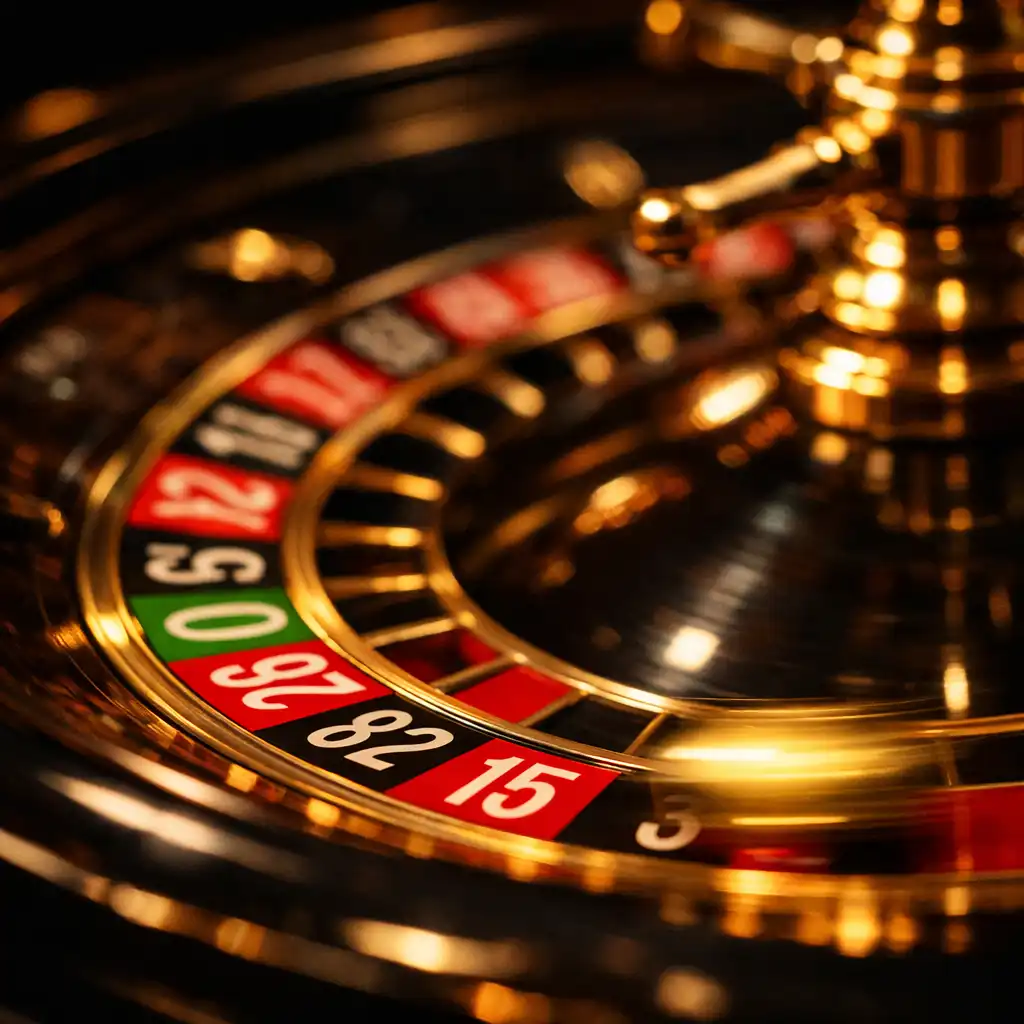
In this scene, the protagonist bets everything on a single roulette spin. The camera circles the table, the ball's clatter fills the soundtrack, and time seems to stop as the wheel slows. The circular camera movement mirrors the wheel's motion, while sound design isolates the ball's bounce to heighten suspense. The protagonist's stillness contrasts with the chaotic background, making the final outcome feel inevitable.
"Everything on black."
This scene has been referenced and parodied countless times, cementing the roulette spin as a symbol of ultimate risk. The image of the spinning wheel is instantly recognizable, appearing in comedies and dramas alike as shorthand for a character's all-or-nothing gamble.
A high-stakes poker game where a single facial expression reveals everything. The scene is built on reaction shots, and the protagonist's calm masks a bluff.
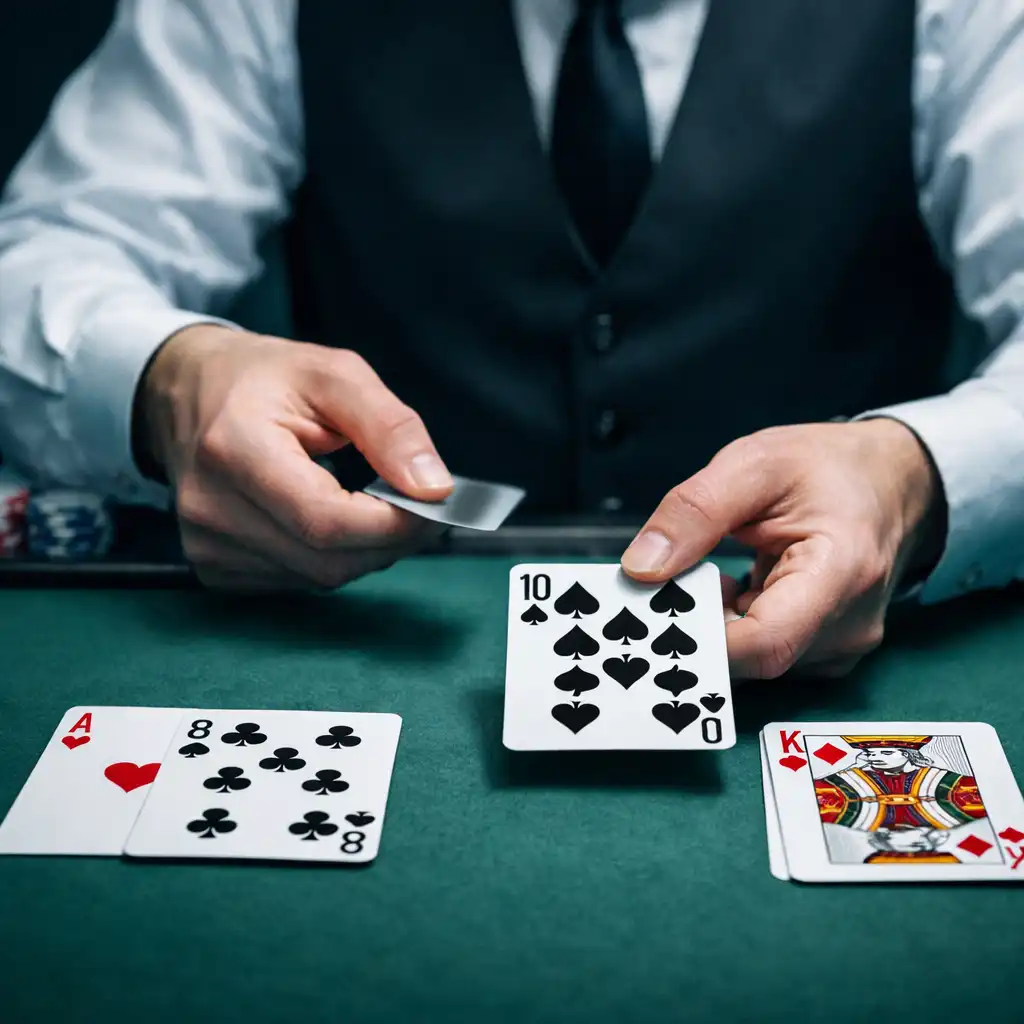
A blackjack table where the dealer's cold precision seals the protagonist's fate. The dealer's mechanical movements contrast with the protagonist's desperation.
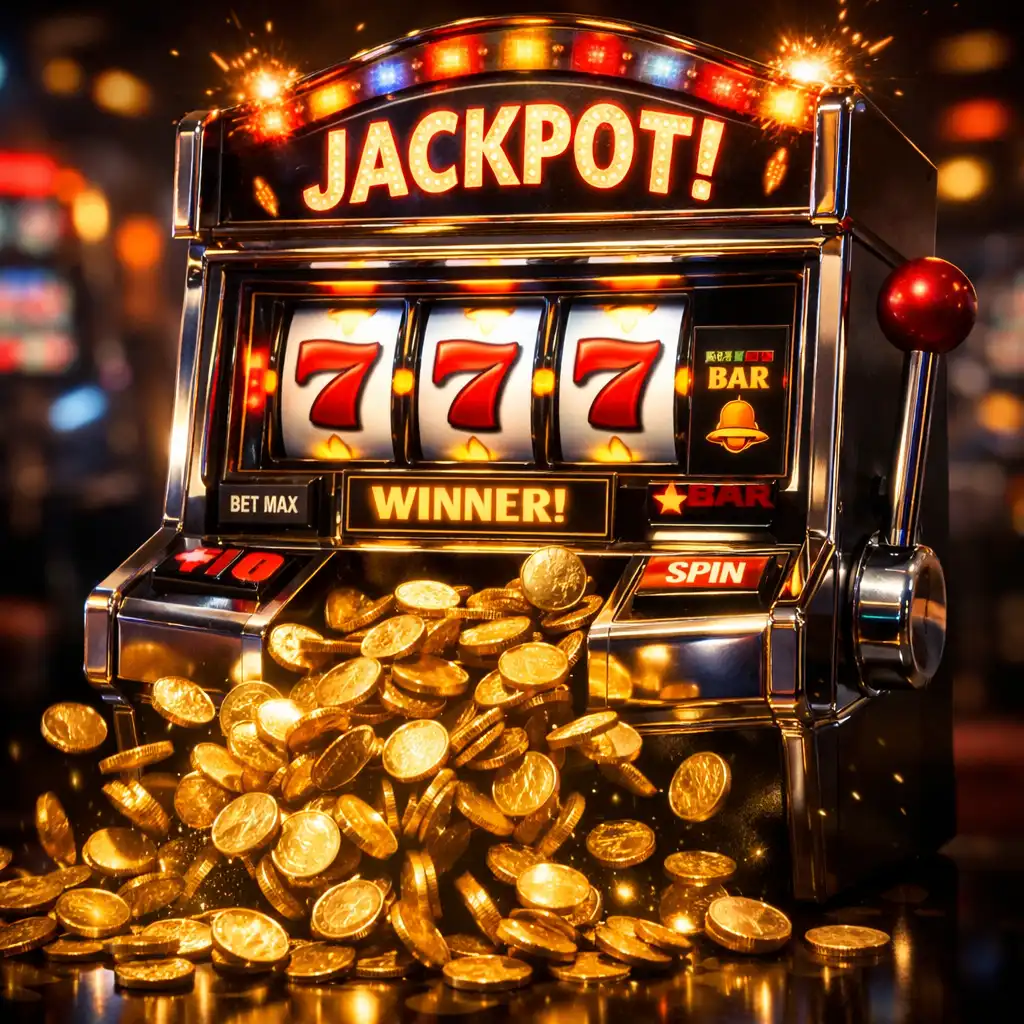
A sudden jackpot that turns a quiet moment into chaos. The scene uses rapid cuts and flashing lights to overwhelm the senses.
1940s–1950s
Casino scenes in film noir used expressionistic lighting and moral ambiguity. High-contrast shadows suggested hidden motives, and casinos were often dens of corruption.
1970s
The decade brought a raw, documentary-like approach to gambling stories. Handheld cameras and naturalistic lighting focused on addiction and consequence.
1990s–2000s
Casino scenes became spectacles of wealth and style, often with elaborate set pieces. Lavish production design and star power turned casinos into playgrounds for the elite.
2010s–Present
Modern casino scenes blend practical effects with digital enhancements for maximum tension. Seamless CGI for crowd scenes and environments emphasizes psychological realism.
"The casino is a pressure cooker. You control the heat with every cut, every glance, every breath of silence."
Browse our full collection of movie reviews, plot summaries, and behind-the-scenes stories.
Explore Movie Reviews
Directors often use the casino's inherent structure—tables, wheels, and chips—to create visual rhythm and build suspense. The circular roulette wheel suggests fate, while the rectangular poker table frames confrontations. Chips provide a tactile, countable stake that makes every decision feel weighted.